Actuellement Vide: 0,00 DT
The Allure of Casino Games
Casino games have an undeniable allure, attracting millions of players worldwide. This magnetism is deeply rooted in psychological principles that exploit human emotions. The thrill of chance combined with the potential for significant monetary reward creates a captivating environment. Players are often drawn in by the excitement of winning, even if the odds are stacked against them, especially when they explore bitcoin gambling sites that offer unique incentives.
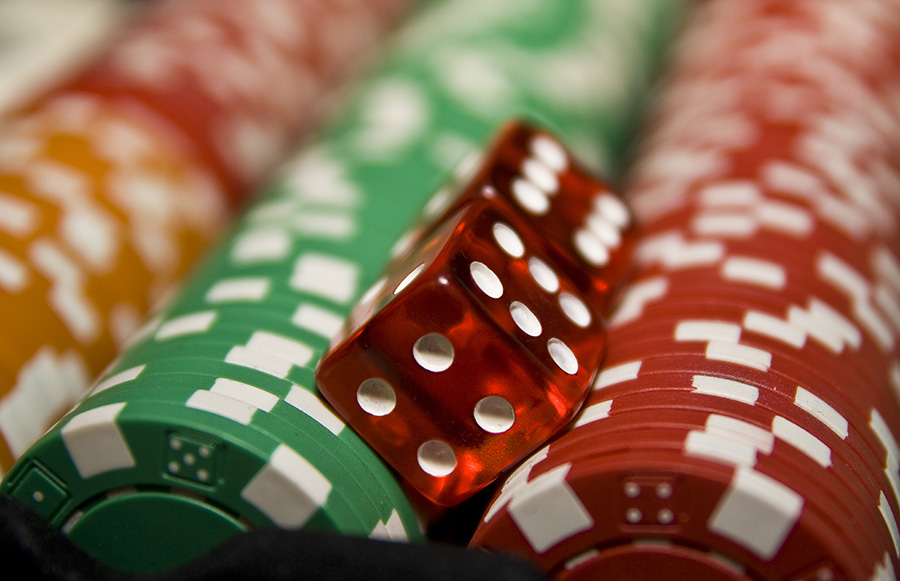
The design and ambiance of casinos further enhance this allure. Bright lights, engaging sounds, and vibrant colors create a sensory overload that stimulates excitement. This environment plays on the psychology of instant gratification, encouraging players to continue spinning the reels or placing bets in hopes of immediate rewards, which can become addictive.
The Role of Risk and Reward
The psychology of risk and reward is fundamental in understanding why players engage with casino games. The concept of risk versus reward drives decision-making, where the potential for high rewards often outweighs the fear of loss. This phenomenon is especially pronounced in games like slot machines, where the unpredictable nature of the game keeps players on the edge of their seats, heavily invested in each outcome.
Moreover, the concept of “near misses” can intensify the thrill of gambling. When players experience outcomes that are close to a win, it triggers a strong emotional response, often leading them to continue playing in pursuit of that elusive win. This reinforces behavior and can create a cycle of gambling that’s difficult to break.
The Social Aspects of Gambling
Gambling is not just a solitary activity; it often has social dimensions that play a critical role in player behavior. Many people enjoy visiting casinos not just for the games but for the social interactions they provide. Playing games with friends or meeting new people fosters a sense of community and belonging, which can enhance the overall gambling experience.
Additionally, social environments in casinos can lead to competitive behavior. Players may feel compelled to gamble more when surrounded by others, as the social pressure and energy in the room can amplify excitement and risk-taking. This social dynamic showcases how the human need for connection can influence gambling habits.
Psychological Triggers in Game Design
The psychology behind casino games is deeply embedded in their design. Game developers utilize various psychological triggers to keep players engaged. Features like sound effects, visual animations, and reward systems are strategically implemented to create a sense of accomplishment and satisfaction. Even small wins can be designed to feel significant, encouraging players to keep playing.
Additionally, the concept of the “loss illusion” plays a key role in player behavior. Players may perceive a series of losses as only temporary setbacks, which can lead them to chase losses by continuing to play. This design choice manipulates psychological tendencies, keeping players hooked longer than they might initially intend.

Enhancing Business Productivity with LeadMonk.io
Understanding the psychology behind player behavior is crucial for businesses in the gambling industry, but it also has parallels in other sectors. For instance, LeadMonk.io is a platform designed to enhance lead management and streamline communication. By employing psychological strategies to improve user experience, businesses can significantly boost productivity.
Just as casinos leverage psychological triggers to engage players, LeadMonk.io offers tools that optimize sales strategies, ensuring that leads are effectively captured and nurtured. By focusing on user needs, LeadMonk.io helps businesses, whether they are startups or established enterprises, achieve their goals and maximize their potential in an increasingly competitive landscape.